
How a Women’s Travel Brand Generated 1.8 Million Organic Facebook Views
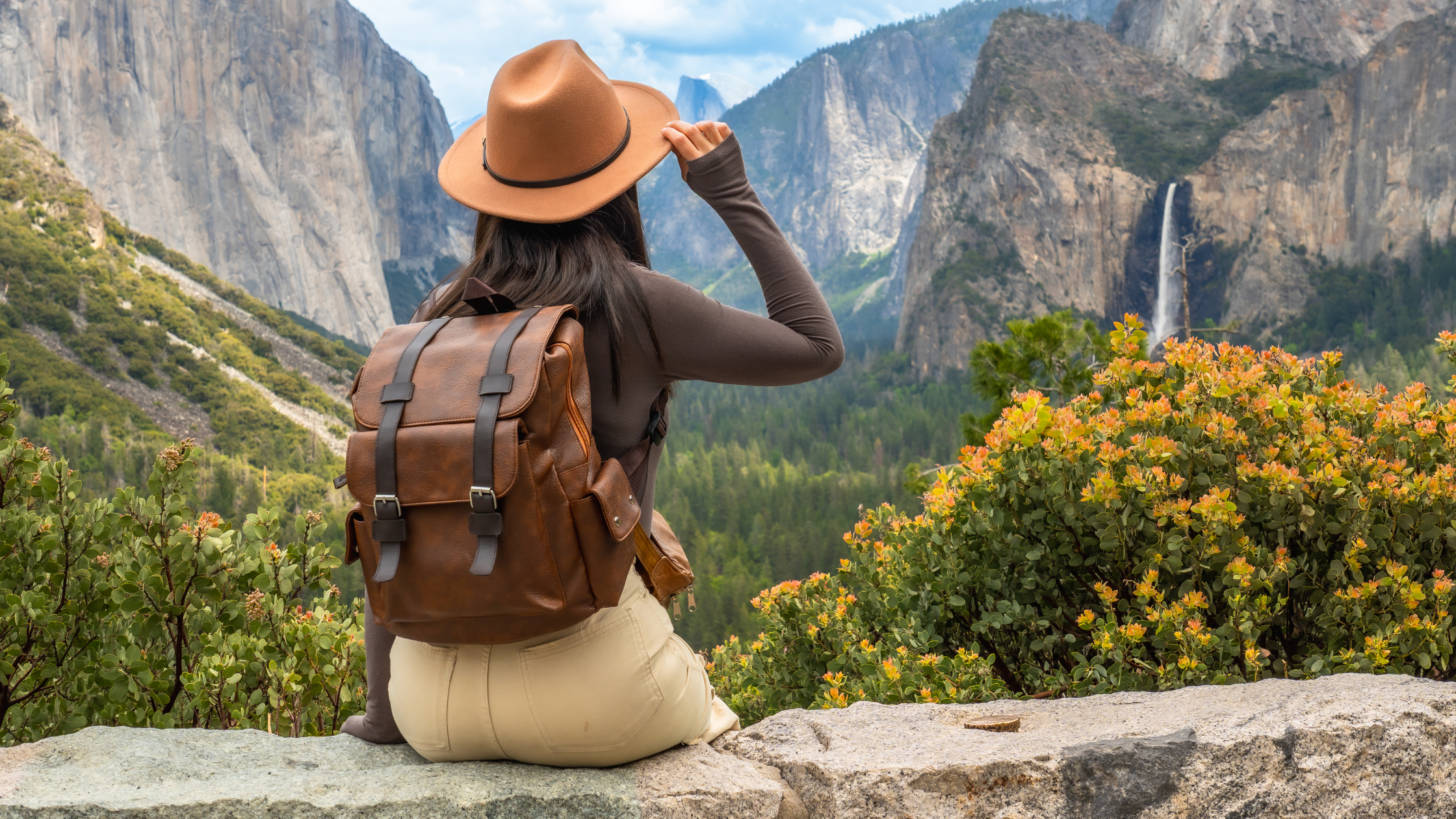
An established women’s group travel company already had a substantial social audience. Its next opportunity was understanding which content created connection and which encouraged people to explore a trip.
Personalized Creative began working with the brand in October 2022, starting with a social media audit, audience research, competitor analysis, and channel strategy.
Over nearly four years, we created and refined organic content around real travel experiences, founder storytelling, humor, destination information, and trip promotions.
In 2025, PC-managed organic Facebook content generated 1.8 million views and 1.46 million reach.
Ongoing testing also produced useful direction for future content. In Q1 2026, promotional destination carousels generally performed better than Reels for link clicks and deeper engagement, while Reels retained a role in discovery and storytelling.
The client’s name is withheld. Personalized Creative managed organic social content. Paid advertising was managed by a separate partner, and combined account results are identified separately below.
The Challenge: Turning an Established Audience Into Meaningful Interest
The company offered curated group travel experiences for women, combining immersive destinations with opportunities for connection.
At the start of the engagement, it had approximately 63,600 Facebook followers and 15,300 Instagram followers.
The challenge was understanding what those audiences wanted from the brand and how content could support different stages of their interest.
We needed to examine:
What encouraged travelers to stop and engage
Which stories built familiarity and trust
What people wanted to share
Which formats encouraged link clicks
How to present trips without relying on repetitive promotion
Where each platform deserved time and resources
The initial research gave us a starting framework. Ongoing reporting helped refine it.
Building a Travel Content Strategy Around Different Audience Actions
Performance reviews showed that content served different purposes.
A humorous post could attract shares without generating much trip exploration. A destination carousel could offer practical details that encouraged someone to click.
We developed the content mix around those differences.
Humor and Relatable Travel Content
Humor helped the brand connect with familiar travel experiences and interests.
These posts were strong contributors to reach, sharing, and community engagement. Their role was to build connection and keep the brand relevant within the audience’s everyday feed.
Real Trip Photography and Traveler Experiences
Photography from actual trips and traveler testimonials brought the experiences closer to the audience.
They gave prospective travelers more context about the people, atmosphere, and experiences behind a destination.
Founder-Led Storytelling
Founder content became an increasingly important part of the strategy.
Real photography, informal video, and personal storytelling were among the stronger-performing approaches. By Q1 2026, reporting showed particularly strong engagement and sharing around authentic, personality-driven content.
Those findings supported giving the founder and real travel experiences a more prominent role.
Destination Content That Supported Exploration
Destination carousels, calendars, articles, and trip promotions provided more information for people considering their options.
We reviewed how these formats encouraged link clicks and other signs of further interest, then adjusted calls to action and content allocation accordingly.
What Personalized Creative Delivered
Our work included:
An initial social audit, audience research, and competitor analysis
Organic social strategy across Facebook, Instagram, and Pinterest
Destination carousels, Reels, graphics, humor, and testimonials
Article content and trip promotions
Founder-led and real-traveler storytelling
Community engagement
Monthly and quarterly performance reviews
Testing of formats, captions, posting frequency, and engagement prompts
Calls to action designed to encourage trip exploration
Pinterest content and board optimization tests
Email marketing support earlier in the partnership
We adjusted the content mix and publishing approach as performance findings, budgets, and priorities changed.
Testing Carousels Against Reels for Trip Promotion
In Q1 2026, we compared promotional trip content presented as carousels and Reels.
The analysis showed that carousels generally performed better for link clicks and deeper engagement.
Reels still had value for discovery and storytelling. The finding helped clarify which format to prioritize when the immediate objective was encouraging someone to explore a trip.
This was a finding from this brand’s content, rather than a rule that carousels always outperform video.
Results: Organic Visibility and Clearer Content Decisions
2025 Organic Facebook Performance
| Metric | Reported Result |
|---|---|
| Organic Facebook views | 1.8 million |
| Organic Facebook reach | 1.46 million |
These figures reflect PC-managed organic Facebook content where reporting separated organic activity. Views and reach are different measures and should not be added together.
What Content Testing Revealed
| Content Type | Strongest Observed Contribution |
|---|---|
| Humor and relatable travel posts | Reach, shares, and community engagement |
| Founder content and real travel experiences | Personal connection, engagement, and shares |
| Destination carousels, calendars, and articles | Link clicks and trip exploration |
| Reels | Discovery and storytelling |
In Q1 2026 testing, promotional carousels generally performed better than promotional Reels for link clicks and deeper engagement. These findings guided content decisions; they do not establish bookings attributable to individual formats.
Audience Growth During the Partnership
| Platform |
Starting Followers October 2022* |
Followers By Q1 2026 |
|---|---|---|
| 63,600 | 92,766 | |
| 15,300 | 20,631 |
*Starting follower counts are approximate. Paid social contributed to follower acquisition and was managed by a separate partner. These figures show account growth during the partnership, rather than growth attributable entirely to Personalized Creative’s organic work.
Across paid and organic activity combined, Facebook also recorded 240,800 link clicks in 2025, up 15.9% from the prior year, and 226,600 visits.
Those combined figures provide context for the broader marketing program. They are not presented as PC-managed organic results.
Why the Approach Worked
The strategy became more useful as we clarified what each piece of content needed to accomplish.
Humor created connection.
Relatable travel content encouraged sharing and participation.
Real people gave the brand a recognizable voice.
Founder storytelling and traveler experiences brought personality into the content.
Destination information supported further exploration.
Carousels, calendars, and articles gave interested travelers more reasons to click.
Testing informed format choices.
The carousel-versus-Reel comparison helped guide how future trip promotions were presented.
Reporting kept the strategy responsive.
We continued adjusting creative direction, calls to action, posting frequency, and platform effort.
Over nearly four years, that process helped the brand build a clearer understanding of how its audience responded.
What Other Travel Brands Can Learn
A travel content calendar needs room for both inspiration and practical information.
People may share a funny travel post, connect with a founder’s story, and later click through a destination guide. Each action contributes different information about audience interest.
Evaluating those actions separately helps a travel brand decide what to create next and how to judge its performance.
This case demonstrates organic visibility, audience response, and content-learning outcomes. Establishing booking impact would require additional attribution data.
Build a Travel Content Strategy With a Clear Purpose
Personalized Creative helps travel brands connect audience research, content creation, community engagement, and performance analysis.
We use those findings to refine what you publish and how it supports your marketing goals.
FAQs
How do you build a social media strategy for a travel company?
Start with the travelers you serve, the experiences you offer, and the information people need before considering a trip.
Create a mix of inspiration, practical destination content, traveler experiences, and clear trip information. Assign each format a purpose and review whether it generates the intended response.
For this women’s travel brand, reporting helped distinguish content that encouraged sharing from content that supported link clicks and trip exploration.
What should a group travel company post on social media?
Useful themes include destination guides, real trip photography, traveler testimonials, founder insights, trip calendars, and answers to common questions about the experience.
Relatable humor can also help express the brand’s personality. The right balance depends on the audience and what performance reviews reveal.
In this case, the strategy combined those themes rather than relying on destination promotion alone.
How do you market group trips for women?
Explain both the travel experience and the community surrounding it.
Use accurate trip details, real traveler experiences, and a clear brand voice to help prospective guests understand what they can expect. Build content around the questions and interests of the particular women your trips serve.
For this brand, founder-led storytelling, testimonials, and real trip photography became important parts of the content strategy.
Are Reels or carousels better for promoting travel packages?
Evaluate them against the action you want people to take.
A Reel can tell a story or introduce a destination, while a carousel can present several details someone may want to review. Test comparable promotions and look beyond views alone.
In this brand’s Q1 2026 testing, promotional carousels generally performed better for link clicks and deeper engagement. Reels continued to support discovery and storytelling.
How can a travel brand encourage more website clicks from social media?
Give people useful information and a specific reason to explore further.
A destination overview, trip calendar, or relevant article can lead naturally to a matching website page. Make the next step clear and measure clicks separately from likes and shares.
For this brand, destination carousels, calendars, and article content were often stronger at encouraging further exploration than engagement-focused posts.
How can a travel company use founder content in its marketing?
Share the founder’s relevant experience, perspective, and connection to the trips.
That might include personal travel stories, destination observations, or explanations of how experiences are selected. Keep the content specific to what prospective travelers would find useful or interesting.
During this partnership, founder-led storytelling, real photography, and informal video became some of the stronger content approaches for engagement and sharing.
How do you measure organic social media for a travel business?
Separate visibility, audience response, website activity, and bookings.
Reach and views help assess discovery. Shares and comments show audience response. Link clicks indicate further interest. Inquiries and bookings require additional tracking to connect them with social activity.
Also separate paid and organic reporting where possible. This case study distinguishes PC-managed organic Facebook results from account-wide figures that included a separate partner’s paid advertising.